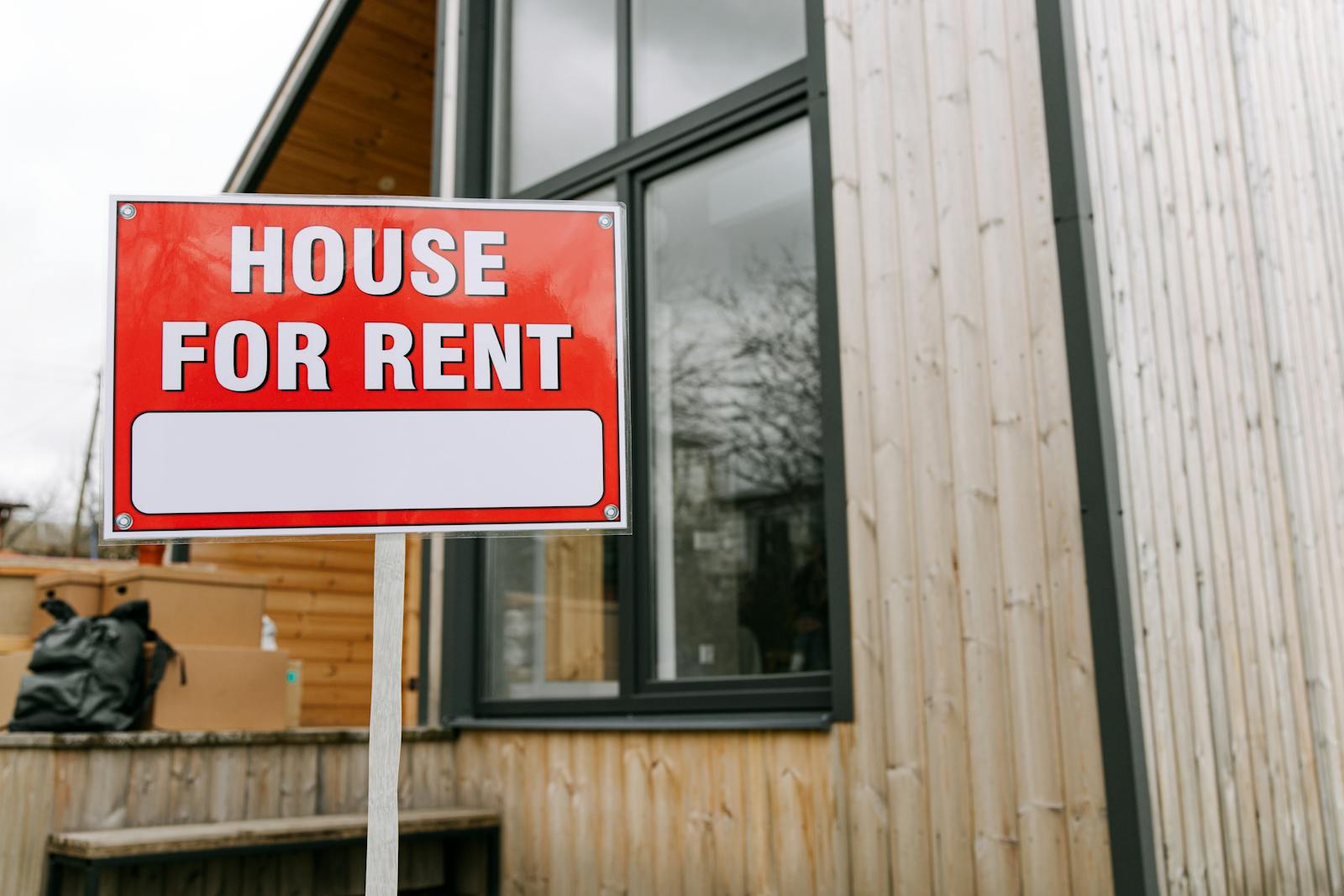


Owning a rental property appeals to many first-time buyers who want income alongside long term growth. The process looks simple from the outside. Buy a place, find a tenant, collect rent.
Real life as a landlord brings more moving parts, from legal duties to tax and repairs. This guide shares key points so you feel prepared before stepping into the rental market.
Start with clear goals
Before viewing any property, spend time on your goals. A clear purpose makes decisions easier.
Common reasons for buying a rental include:
- Building long term wealth
- Supplementing salary with rental income
- Creating a future home for yourself or family
- Starting a small portfolio for retirement
Write your main aim in one sentence. Keep this line in mind when comparing areas, property types, and price ranges. A buyer focused on income will view a property differently from someone chasing long term capital growth in a prime location.
Plan the finances beyond the deposit
Many first-time buyers focus on the deposit and monthly mortgage payment. A rental brings extra costs which affect real profit.
Key points to budget for:
- Mortgage product and interest rate for buy to let
- Letting agency fees, if you use one
- Landlord insurance and buildings cover
- Regular safety checks and certificates
- Service charges and ground rent for flats
- Periods with no tenant in place
Create a simple spreadsheet with realistic rent, all monthly costs, and a maintenance reserve. Aim for a safety buffer so one repair or short void does not cause panic. A clear picture of cash flow helps you judge whether a property suits your goals.
Understand landlord responsibilities
Landlords in the UK must follow strict safety and legal rules. These protect tenants and also protect you from fines or disputes.
Core duties include:
- Gas safety checks by a qualified engineer each year
- Safe electrical installation and, in many areas, an EICR report
- Working smoke alarms and, in many homes, carbon monoxide alarms
- A written tenancy agreement with fair terms
- Deposit protection in an approved scheme
- Respect for tenants’ rights around notice and access
Local councils sometimes require licences for certain homes, such as shared houses. Before purchase, check council guidance for the area and property type you have in mind.
Learn the basics of rental property taxes
Tax has a major impact on returns from a rental. First-time buyers often feel surprised when tax rules reduce the income they expected. Early learning helps you plan.
Topics to review:
- Income tax on rental profits
- Allowable expenses such as repairs, insurance, and letting fees
- Mortgage interest rules for landlords
- Capital gains tax on a future sale
For a closer look at how income, expenses, and allowances work, read the Rental Property Taxes article on your chosen site. That guide gives more detail on everyday scenarios and supports better planning with an accountant or adviser.
Choose property and area with tenants in mind
A good rental property suits real people, not only a spreadsheet. Think about who will live there and what daily life looks like.
Questions to ask during research:
- Does the area attract students, young professionals, or families
- How close are shops, schools, parks, and transport links
- Do local rents support your mortgage and running costs
- How do streets feel during the day and in the evening
Visit at different times. Listen for noise from roads, bars, or flight paths. Look at local shops and services. A tenant will care about all these details when deciding whether to stay long term.
Plan for repairs and ongoing maintenance
Every home needs care. A rental also needs a quick response when problems appear, because someone else lives there every day.
Create a basic maintenance plan that covers:
- Annual boiler service and heating checks
- Roof, gutter, and exterior checks each year
- Fast action on leaks, damp, or mould
- Refresh of paint, flooring, and fixtures between tenancies
Decide which tasks you feel happy to organise yourself and which ones go straight to a professional. Agree simple rules for response times, for example same-day contact for leaks or loss of heating. Tenants feel more secure when support feels prompt and organised.
Decide how management will work
Management style shapes daily life as a landlord. Some first-time buyers want hands-on control. Others prefer distance from daily contact.
Main options:
- Full self-management, including marketing, viewings, referencing, and repairs
- Let-only service, where an agent finds tenants and sets up the agreement
- Full management service, where an agent handles day to day contact and issues
Compare fees and also think about time, stress, and your own skills. A full management service costs more, yet frees you from late evening repair calls and paperwork. Self-management saves money but demands strong organisation and clear boundaries.
Build a small support team
Successful landlords usually rely on trusted advisers. A short list of contacts makes life easier when questions or problems appear.
Helpful contacts include:
- Mortgage adviser with buy to let experience
- Solicitor who deals with property and tenancy law
- Accountant who understands rental income and expenses
- Letting agent who knows the local market
- Reliable tradespeople for plumbing, electrics, and general repairs
Store names and numbers in one place. Give tenants clear instructions on who to contact, and in which order, for different issues. This approach reduces confusion and saves time during stressful moments.
Take a long term view
Rental property works best as a long term project. Markets rise and fall, governments change rules, and repairs never stop completely. Steady planning matters more than quick gains.
Track income, costs, and time spent on management. Review figures each year and adjust plans, rent levels, or property choices where needed. A calm approach helps you stay focused on the original goal you set at the start.
Ready to move from plans to action
Stepping into the landlord role feels far more manageable with clear goals, strong numbers, and the right support around you.
For guidance on suitable properties, local demand, and next steps as a first-time landlord, reach out to Karin Sells Real Estate. You receive supportive, practical advice tailored to your budget, risk level, and long term aims in the rental market.