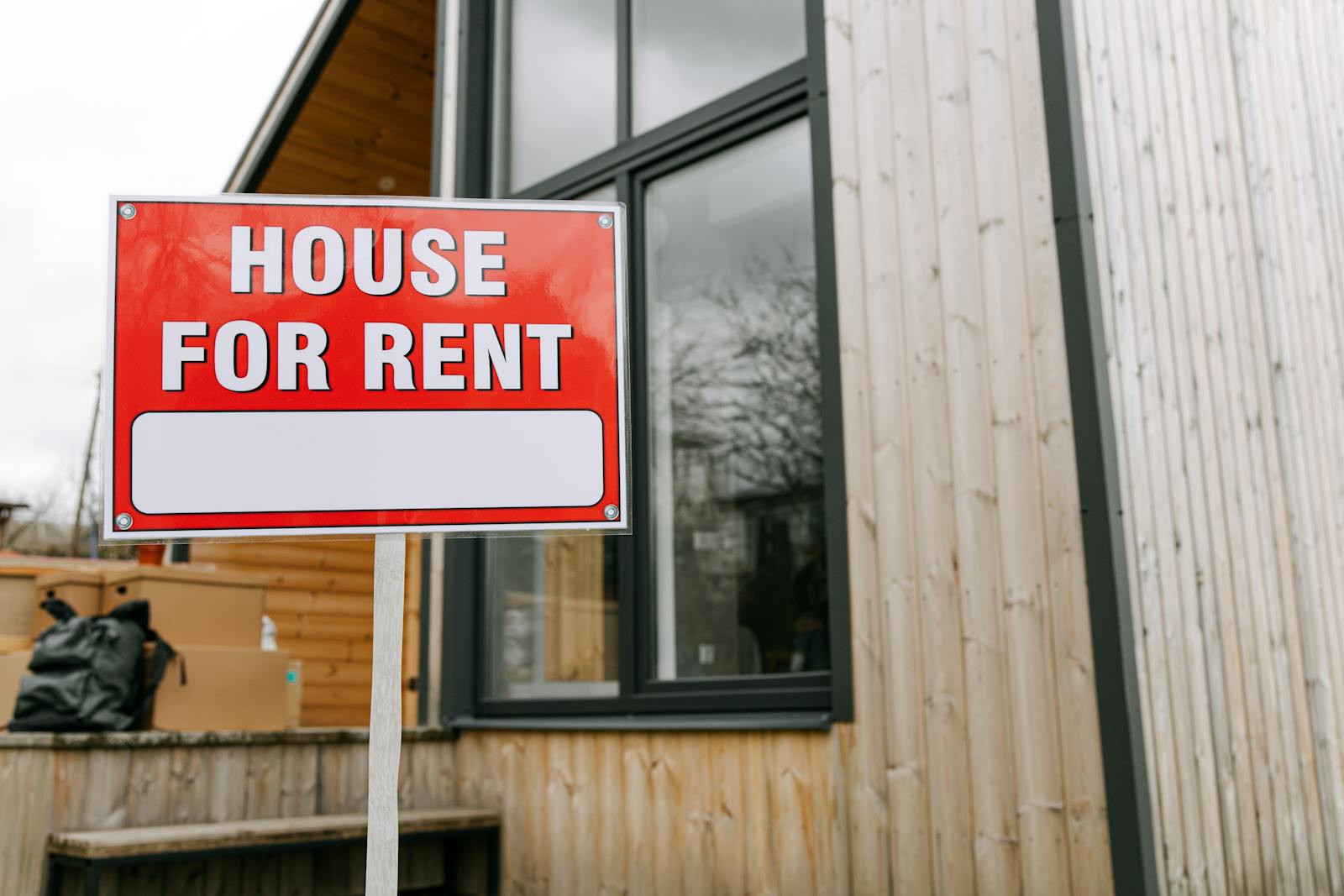

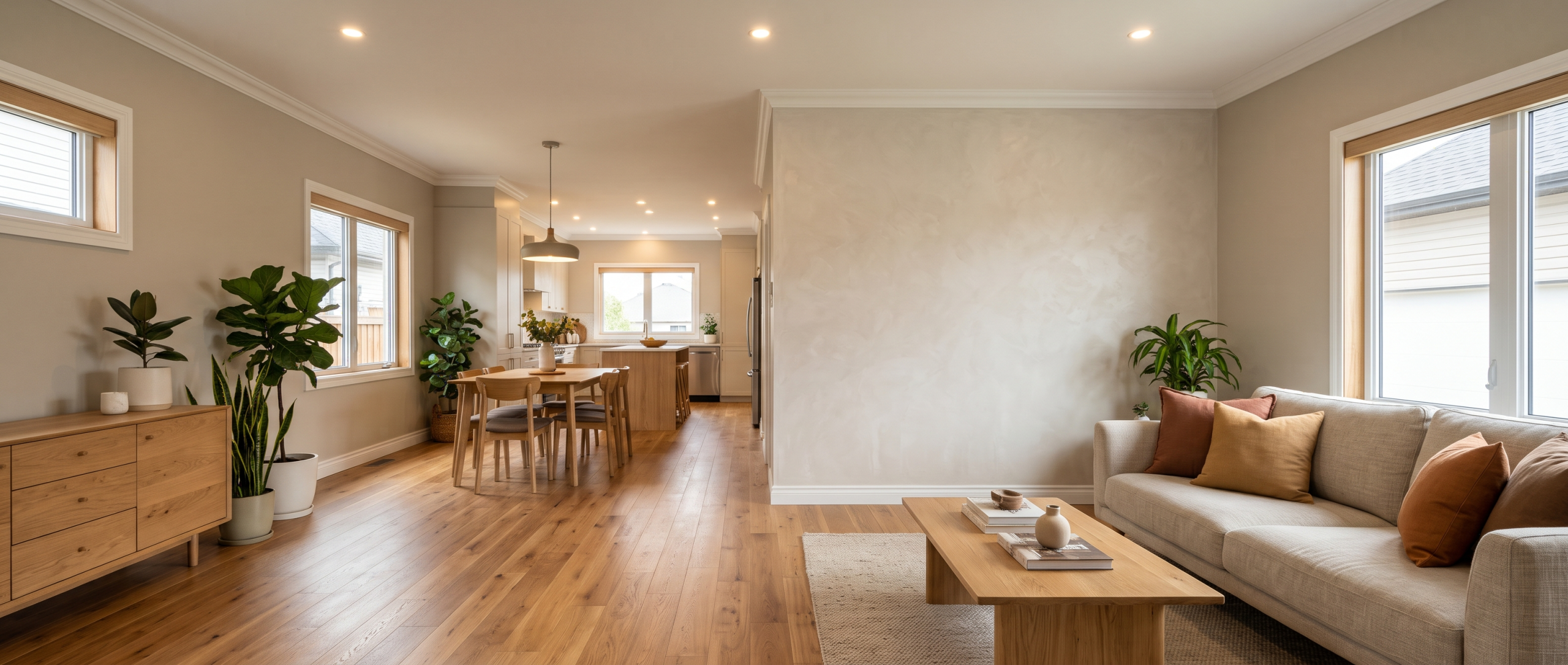
A home can tick every box on paper and still leave people cold. The location is right, the rooms are a good size and the layout works, yet viewers walk round quietly and leave without much to say. Often the problem is on the surfaces: tired paint, mismatched flooring, scuffed woodwork or a colour scheme that fights the light.
Interior finishes are easy to treat as an afterthought, something to sort once the bigger jobs are done. In practice, they shape how a room feels the moment someone walks in, and they say a lot about how well a property has been looked after. Whether you are preparing to sell, getting a rental ready for new tenants or improving the place you live in, finishes deserve the same thought as the layout.
Why Finishes Shape First Impressions
Buyers often make up their minds faster than sellers expect. Rightmove research found that 29% of homeowners decided on their home when they first arrived or stepped through the door, before they had seen most of the rooms. That early judgement is rarely about square footage. It comes from what people see and touch straight away: the hallway walls, the floor underfoot, the condition of doors and skirting.
Clean, consistent finishes suggest a home that has been maintained. Chipped paint, patched walls and worn flooring do the opposite, and they can leave people wondering what else has been neglected. If you are getting ready to sell, a pre-sale checklist helps you decide which jobs to tackle first.
How Walls, Floors and Colour Change the Feel of a Room
Colour sets the mood. Warm neutrals tend to feel calm and welcoming, while cooler tones can make a north-facing room feel colder than it is. Strong colours are not wrong, but they narrow the number of people who can picture themselves living with them.
Texture matters just as much. A flat, uniform wall looks clean but can feel a little lifeless, especially in a large room. Subtle texture, from a limewashed effect to a natural timber floor, adds depth and catches the light more softly.
Flooring ties everything together. Running the same or similar flooring through connected spaces helps a home feel larger and more cohesive, while a different floor in every room can make it feel chopped up.
Balancing Looks With Durability and Upkeep
A finish that looks lovely on day one is only half the story. The real question is how it will look after two years of daily life, and how much effort it takes to keep it that way. Each room makes different demands:
- Kitchens and bathrooms deal with steam, splashes and regular wiping. Toolstation notes that regular matt paint can come off when wiped, which makes it less suited to these rooms.
- Hallways and stairs take knocks from bags, buggies and bikes, so washable paints and hard-wearing floors earn their keep here.
- Bedrooms and living rooms see less wear, which leaves more room for softer, more decorative choices.
For landlords, upkeep carries extra weight. A finish that is easy to clean and simple to touch up between tenancies saves time and money over the years. It also helps to keep spending in proportion, and this guide to renovation changes buyers actually pay for looks at where money tends to be wasted before a sale.
| Finish | Look | Upkeep | Works Well In |
|---|---|---|---|
| Standard matt emulsion | Soft and flat, hides small flaws | Marks easily, better touched up than scrubbed | Bedrooms, living rooms, ceilings |
| Washable or durable matt | Low sheen | Can be wiped clean | Hallways, kitchens, children’s rooms |
| Wallpaper | Pattern and texture | Can lift in humid rooms, bold designs date quickly | Feature walls, bedrooms, dining rooms |
| Polished or decorative plaster | Seamless, with depth and movement | Sealed surfaces can be wiped, repairs need a specialist | Feature walls, living spaces, sealed bathroom walls |
| Natural timber or stone floors | Warm and characterful | Need periodic oiling or sealing | Living areas, hallways, kitchens |
Paint and Wallpaper Versus Decorative Finishes
Paint remains the most practical choice for most walls. It is affordable, easy to refresh and simple to change when tastes move on. Wallpaper adds pattern and personality, though bold designs can date quickly and some papers struggle in humid rooms.
Decorative treatments such as polished plaster, microcement and marble-inspired surfaces sit at the other end of the scale. They create a seamless, layered finish with a depth that flat paint cannot quite match, and they are usually saved for places where they will be noticed: a living room feature wall, a hallway, a bathroom or a fireplace surround. They cost more and need skilled application, so they work best as considered choices in a few key areas rather than across a whole home.
Matching Finishes to Traditional and Contemporary Homes
The right finish depends heavily on the building. Period properties often handle moisture differently from modern construction, and Historic England advises that old walls need to let moisture evaporate. It also points out that modern white paints look much brighter and colder than historic whites, which is why softer, warmer tones often sit more comfortably in older homes. Before choosing anything, it is worth checking for the red flags common in older homes, as no finish will hide damp or failing plaster for long.
Contemporary properties tend to suit cleaner lines and calmer surfaces. Open-plan spaces with lots of glazing can make flat walls look stark, and this is where subtle texture helps. Marble-effect plaster is one option, and specialists such as Evoke Polished Plastering apply it as a smooth, polished surface on walls and feature areas. In either type of home, the aim is a finish that feels as though it belongs to the house rather than one chosen in isolation.
Making a Home Feel as Good as It Looks on Paper
Location, layout and size will always matter, but they are not the whole picture. The surfaces people see and touch shape how a home feels and how well cared for it seems. Choosing finishes that suit each room, stand up to daily use and respect the character of the building helps a property feel cohesive from the front door onwards.
Start with the rooms people see first, keep upkeep in mind and save the more distinctive treatments for places where they genuinely add something. That way, the home feels right in person, not just on the listing.