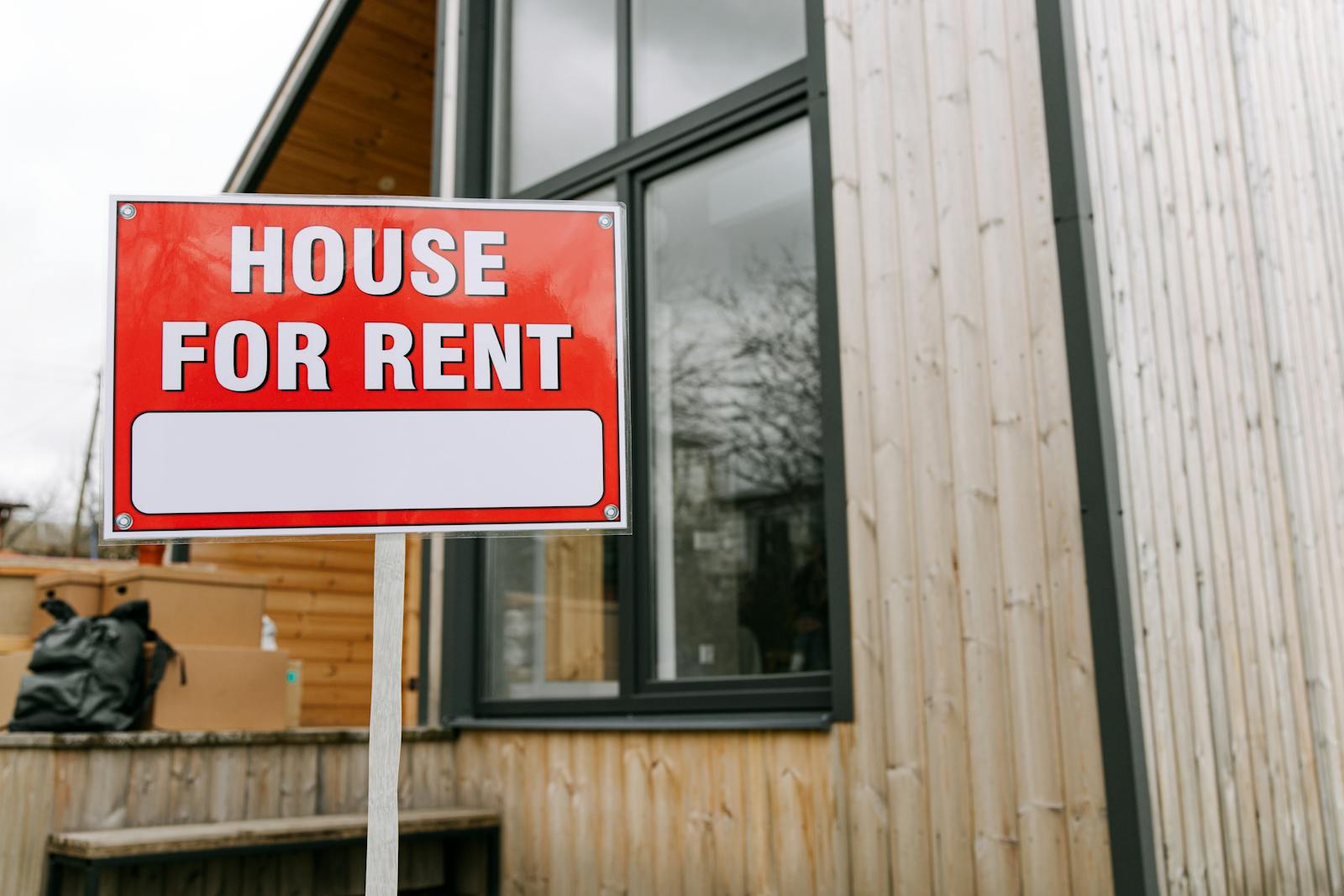

When homeowners decide to sell, the first instinct is often to spend. New kitchen worktops, fresh flooring, a smart bathroom suite, it all feels like it should add value. The problem is that buyers rarely pay extra for upgrades they did not choose themselves, and most big renovations fail to return their full cost. Preparing your home for sale is less about spending money and more about spending it wisely. The goal is to make the property feel clean, bright, and easy to picture as someone else’s home, without sinking thousands into work that will not move the price. If you want a step-by-step companion to this guide, our pre-sale checklist for home sellers walks through the wider process from setting goals to photography day.
Start with A Clear-out
Before you reach for the paintbrush, clear the clutter. Empty space is what sells a home. Buyers often use an empty room to visualise their own life inside the walls.
Start with the areas most sellers ignore: the garage, loft, garden shed, and under-stair cupboards. Then move through kitchen worktops, bathroom vanities, and bedroom surfaces.
Aim to leave wardrobes no more than three-quarters full. Buyers do open them, and a stuffed cupboard signals poor storage. Pack away personal photos, religious items, and anything quirky. Bulky furniture should go into temporary storage if it makes a room feel tight.
A loft and garden clear-out usually produces more waste than people expect. If you’re hiring a skip anyway, ProSkips is worth a look. Doing the indoor and outdoor clearance in one booking saves a second trip later.
High-Impact Renovation Changes That Pay Off
Once the space is clear, focus on cheap repairs with visible impact.
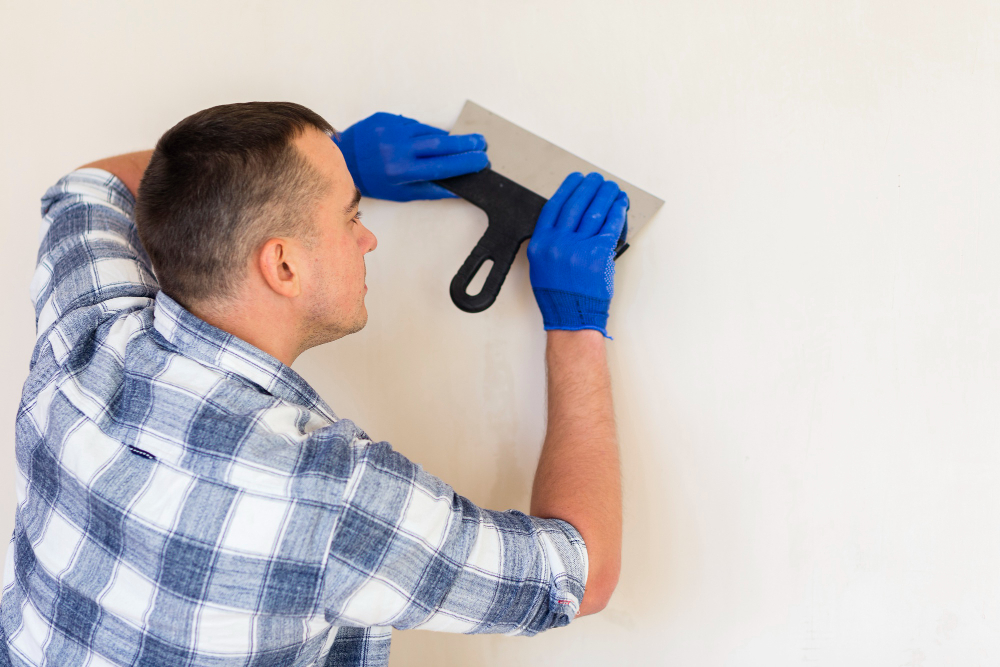
A fresh coat of neutral paint is the single most cost-effective thing you can do. Soft white, light grey, or warm cream brightens rooms and gives buyers a blank canvas.
After paint, work through a quick repair list. Patch small holes, fix dripping taps, tighten loose door handles, and replace any cracked tiles. In the kitchen, swap tired cabinet handles rather than the cabinets themselves.
Lighting and Finishing Touches
Replace dim or burnt-out bulbs with bright LEDs. Clean every window inside and out so natural light pours in.
A mirror in a narrow hallway or small bedroom adds the illusion of more space for very little money. Fresh flowers or a simple fruit bowl on the kitchen counter on viewing day finishes the look. Small details, but they shift how a home feels.
Do Not Skip the Outside
Kerb appeal does heavy lifting because first impressions form within seconds.
According to an HOA survey of more than 2,000 UK adults, the most important kerb appeal features are well-maintained windows and a roof in good condition, followed by a tidy front garden and a well-painted frontage. Start by mowing the lawn, pulling the weeds, pruning anything overgrown, and jet-washing the driveway and patio. Repaint the front door, polish the handle and house numbers, and put down a clean doormat. One or two potted plants by the entrance finish the look.
Plan the garden clearance to overlap with your indoor decluttering so you handle all the waste in one stretch rather than two.
Where Sellers Lose Money
The biggest mistake is over-renovating.
Full kitchen and bathroom remodels almost never return what you spent. Buyers usually want to put their own stamp on those rooms anyway. The same applies to replacing a working boiler, swapping out functional flooring, or upgrading appliances that still do their job.
Most buyers either do not notice or factor it into a price they were already willing to pay. It also helps to remember that serious buyers, especially those looking at older properties, are often more focused on structural condition, wiring, damp, and roof health than on whether your taps are brand new. Our guide on the red flags buyers check for in older homes gives a sense of what they will actually be inspecting during viewings, which is a useful lens for deciding where your money is best spent.
Before spending more than a few hundred pounds on any single fix, ask your estate agent for a quick cost-versus-value view. A two-minute conversation can save you thousands.
Final Renovation & Pre-Listing Checklist
Before the photos are taken and the listing goes live, run through this:
- Declutter every room and clear all surfaces
- Deep clean windows, grout, taps, and carpets
- Touch up paint in high-traffic areas
- Fix anything squeaking, dripping, or loose
- Tidy the front and back gardens
- Replace any dim or broken bulbs
- Add fresh flowers or a fruit bowl on viewing days
Final Thoughts
A well-prepared home sells faster and closer to the asking price. According to gov.uk, the buying and selling process typically takes about 5 months in England and Wales, and presentation directly shapes how quickly you get there.
The sellers who do best are not the ones who spend the most. They decluttered properly, fixed the small things, and let the house speak for itself. Save the money for your next home.